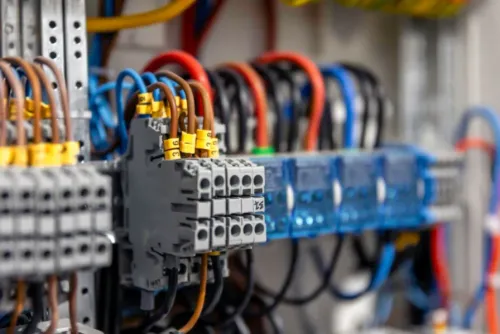
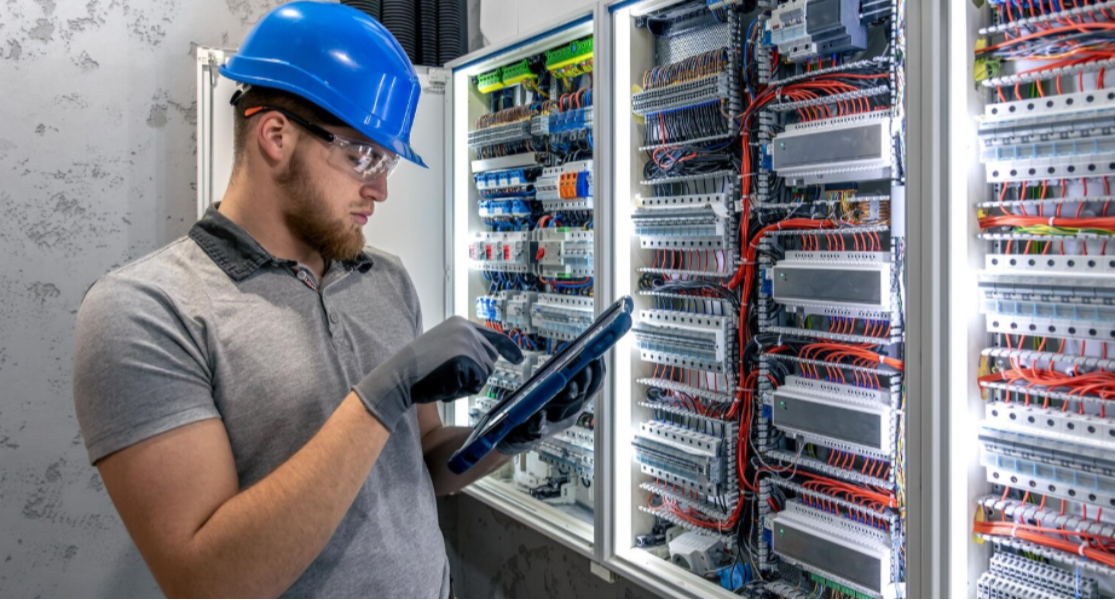
An industrial electrical panel may contain dozens of individual products, each performing a specific protection, control, switching, measurement or connection function. Even when the panel design is correct, procurement problems can delay assembly if components arrive with incorrect specifications, incompatible accessories or inconsistent availability.
Choosing an Electrical Panel Components Supplier is therefore an important part of project readiness for panel builders, OEMs, electrical contractors and manufacturing facilities.
Look for a Broad but Relevant Product Range
Managing separate vendors for every component can increase administrative work and make delivery coordination difficult.
Depending on the panel, requirements may include:
- Circuit breakers
- MCCBs
- ACBs
- RCCBs
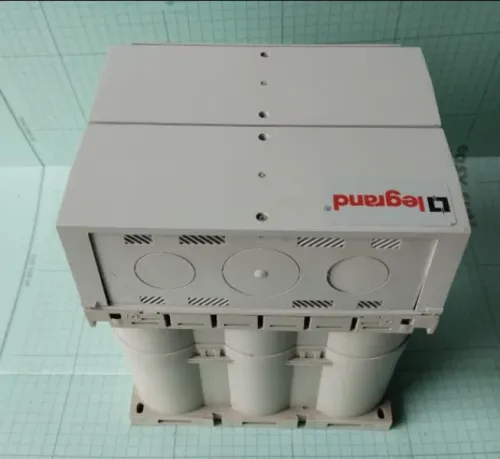
- Power contactors
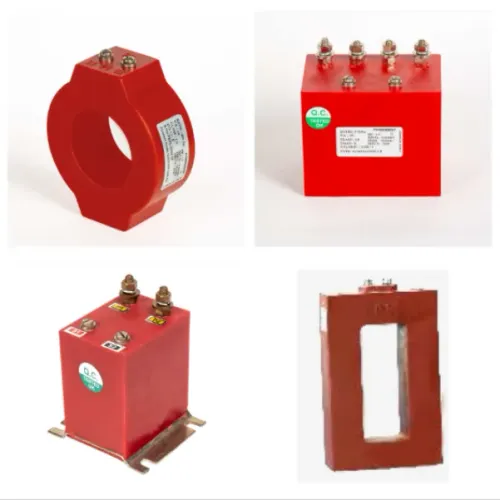
- Current transformers
- Industrial power supplies
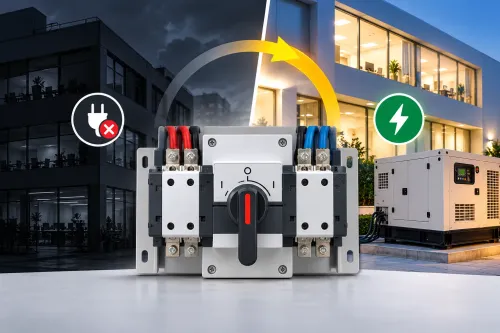
- Changeover switches
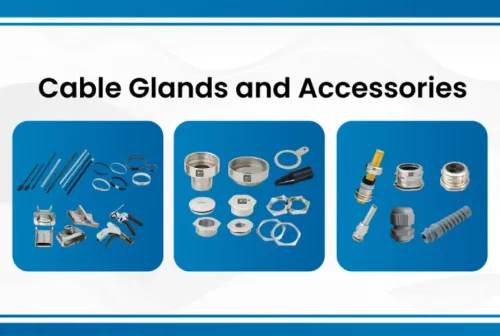
- Cable glands
- Modular accessories
- Other switchgear and control components
A supplier supporting multiple relevant categories can make consolidated procurement easier, particularly for recurring panel requirements.
Technical Specification Accuracy Should Come First
A broad catalogue is useful only when the supplied components correspond with the bill of materials.
Procurement teams should provide clear part descriptions, ratings, quantities and accessory requirements. For specialized components, model references or approved technical schedules can reduce ambiguity.
This is especially important for MCCBs, ACBs, contactors and current transformers where seemingly similar products can have significantly different electrical characteristics.
Evaluate Availability for Project and Maintenance Requirements
New panel projects usually have planned procurement schedules, while breakdown maintenance can create unexpected requirements.
A supplier serving industrial customers should be able to communicate availability clearly so procurement teams can plan accordingly.
Businesses operating manufacturing units and industrial facilities across Maharashtra may also benefit from standardizing commonly used components. Standardization can simplify future inventory planning and replacement procurement.
Check Whether the Supplier Understands Your Buyer Profile
A panel builder may prioritize compatibility and repeat availability. An OEM may need standardized components across multiple machines. A maintenance department may focus on replacement identification, while an electrical contractor may need coordinated supplies according to project schedules.
The supplier should be able to work with the information relevant to each type of buyer.
Prepare a Procurement-Ready Bill of Materials
Before requesting a commercial offer, review the BOM for:
- Complete product descriptions
- Electrical ratings
- Pole configurations
- Breaking capacities where applicable
- Coil or control voltages
- Accessory requirements
- Quantities
- Approved product specifications
This simple check can prevent repeated clarification during purchasing.
Deeva Electricals and Automation supplies switchgear, automation products and electrical panel components for industrial and commercial requirements across Maharashtra. The company can serve as a sourcing point for panel builders, contractors, OEMs and businesses handling multi-component electrical requirements.
The right supplier relationship is not based solely on obtaining the lowest individual component price. Specification accuracy, relevant product availability and coordinated procurement can have a greater impact on how smoothly a panel project progresses.
When an upcoming project involves multiple switchgear and control components, preparing a detailed BOM before approaching the supplier creates a clearer path from quotation and product selection to panel assembly and commissioning.
Keywords