Current transformers allow high electrical currents to be represented at reduced, measurable values for metering, monitoring and protection systems. Although CTs may look relatively simple, differences in ratio, accuracy and application can make one model unsuitable for a requirement that appears similar at first glance.
Choosing a Current Transformer Supplier should therefore begin with technical specifications rather than physical appearance or price alone.
Metering CTs and Protection CTs Serve Different Purposes
One of the first distinctions buyers should understand is the intended application.
Metering current transformers are used with instruments that measure electrical quantities. Protection CTs, meanwhile, provide current information to protection systems and relays.
Their performance requirements differ because the devices are designed for different operating conditions.
Using the intended application as the starting point helps prevent incorrect CT selection.
Specifications Buyers Should Provide
When requesting a current transformer, useful information includes:
- Primary current
- Secondary current
- CT ratio
- Accuracy class
- Burden
- Application
- Physical configuration
- Installation arrangement
- Protection requirements where applicable
For replacement requirements, providing details from the existing CT nameplate can help identify the original specification.
Physical Installation Matters Too
Electrical parameters are only part of CT selection.
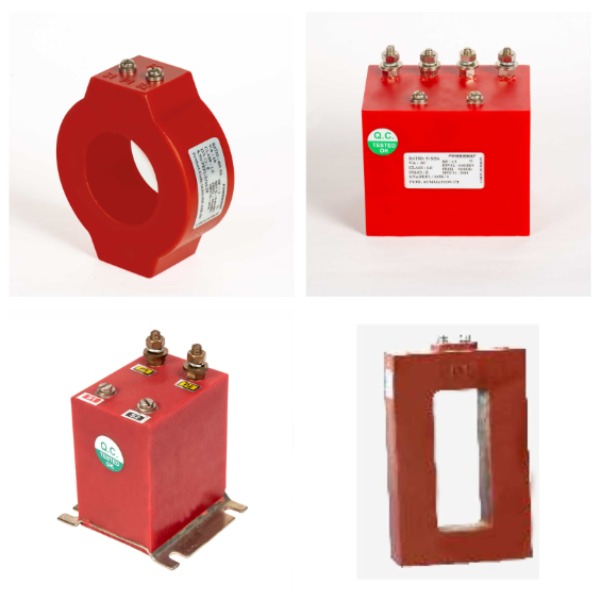
The available space inside a panel, busbar dimensions, cable arrangement and mounting method can influence which physical configuration is practical.
This is particularly relevant to panel builders working on compact control panels or maintenance teams replacing components in existing switchboards.
Avoid Treating Every CT With the Same Ratio as Equivalent
Two current transformers may display the same ratio while having different accuracy classes, burdens or intended applications.
For example, a CT selected for energy measurement should be evaluated according to the metering requirements of the system. A protection application requires characteristics suitable for the associated protective scheme.
This distinction matters across industrial installations in Maharashtra, including manufacturing facilities, commercial distribution systems, utilities and automation projects.
Better Information Leads to Faster Sourcing
Procurement teams can reduce repeated technical queries by preparing a clear specification before requesting quotations.
For new panels, this information can often be taken from approved drawings, metering schedules or protection requirements. For maintenance procurement, photographs and nameplate information may help establish what is currently installed.
Deeva Electricals and Automation supplies current transformers and associated electrical panel components to customers in Maharashtra. The company works with requirements from panel builders, contractors, industrial maintenance teams and electrical procurement departments.
A current transformer should ultimately be selected according to what the connected metering or protection system expects from it. Evaluating ratio, accuracy, burden, application and installation arrangement together helps ensure that the CT fits both the electrical requirement and the physical panel design.
Keywords