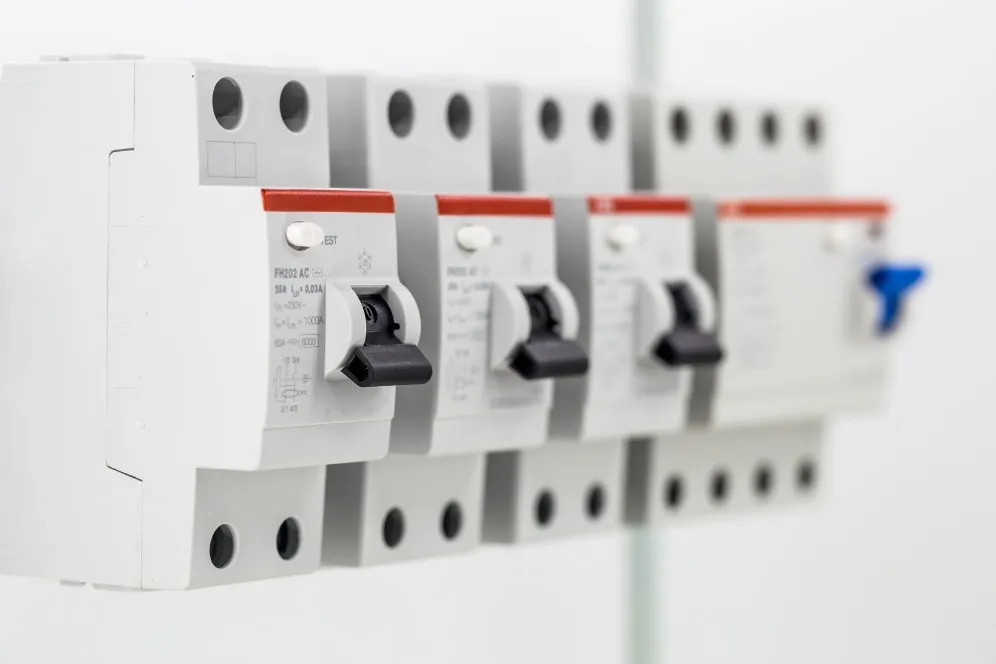
Circuit breakers are designed to interrupt electrical current when abnormal conditions such as overloads or short circuits occur. Although their purpose appears straightforward, selecting the correct breaker involves considerably more than matching a device to the nominal current of a circuit.
Working with an experienced Circuit Breaker Supplier can help electrical contractors, panel builders and industrial procurement teams identify components that correspond with actual system requirements.
Different Circuits Need Different Protection
A small distribution circuit and a high-load industrial feeder do not have the same protection requirements. Breaker selection depends on how the circuit operates and what equipment it supplies.
Common applications include:
- Distribution boards
- Industrial control panels
- Motor circuits
- Machinery
- Commercial electrical systems
- HVAC equipment
- Utility installations
- Manufacturing equipment
The breaker must be compatible with the expected operating current while also responding appropriately when abnormal conditions occur.
Ratings Buyers Should Understand
Several specifications appear on circuit breaker documentation. Understanding them helps buyers communicate requirements accurately.
Rated current indicates the current the breaker is designed to carry under specified operating conditions.
Rated voltage defines the voltage range for which the breaker is designed.
Breaking capacity indicates the fault current the device can interrupt safely under specified conditions.
Number of poles determines how many conductors are switched or protected together.
Other considerations may include trip characteristics, mounting configuration, accessory compatibility and coordination with upstream and downstream protection.
Why Breaking Capacity Should Not Be Overlooked
One common procurement mistake is focusing primarily on amperage while giving insufficient attention to prospective fault current.
During a short circuit, current can rise dramatically. The protective device therefore needs an interrupting capacity appropriate for the electrical system in which it is installed.
This is particularly relevant for industrial installations in Maharashtra where transformers, large machinery and high-capacity distribution systems may create different fault conditions from those found in smaller commercial installations.
Prepare Specifications Before Requesting a Breaker
Electrical buyers can make sourcing more efficient by recording the essential requirements before approaching a supplier.
Include:
- Required breaker type
- Current rating
- Voltage
- Pole configuration
- Breaking capacity
- Application
- Existing panel details
- Required accessories
When replacement breakers are required, the existing product reference and panel configuration can also help identify compatibility requirements.
Deeva Electricals and Automation supplies circuit breakers and associated electrical products for industrial and commercial requirements across Maharashtra. Clear technical specifications allow the provider and buyer to focus on suitable options rather than relying on assumptions.
A circuit breaker is a protection device, not merely another panel accessory. Careful selection helps create an electrical system in which protection, equipment characteristics and operating requirements work together effectively.
Keywords